Ideas for Experiencing Fireworks for those with Sensory Sensitivities
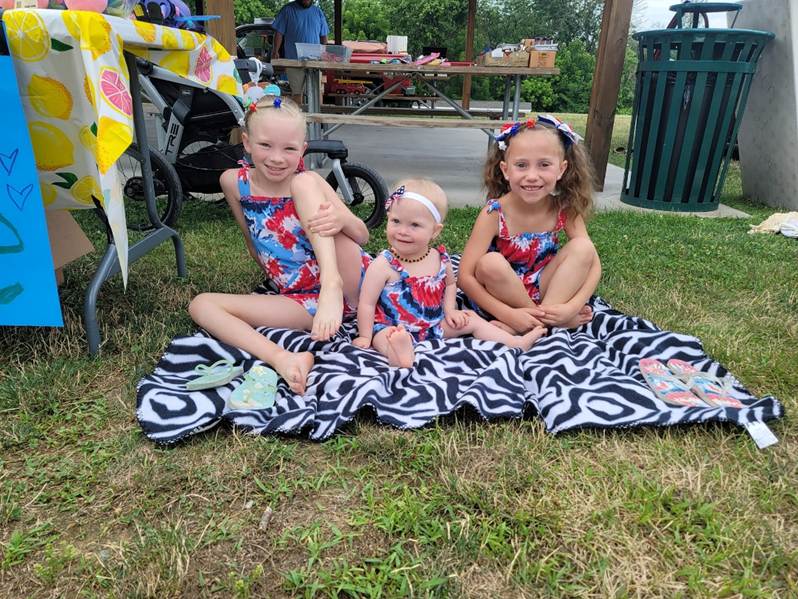
Going to see fireworks and participating in July 4th celebrations could be more challenging for families that have a child, teen or adult with sensory sensitivities, due to the crowds, noise, lights and more. Many individuals with Down syndrome also experience sensory sensitivities.
Here are some tips when you are preparing for July 4th festivities and fireworks that may help your family and child enjoy the events more together:
Before the Fireworks
- Talk to them ahead of time and prepare them for where they are going, what they may see, what they may do, and how the fireworks may look and sound
- Read or watch a social story with pictures or videos about Fireworks and the 4th of July (You can search on youtube for fireworks social stories to find some available ones)
- Watch videos online of fireworks displays, so you can control the volume, as well as pause the video and talk about it, allow them to ask questions
- Practice activities at home that involve noise or lights that they can control, such as lighting sparklers or throwing snap pops at the ground outside or doing glow stick or popping bubble wrap inside
- Teach them the language around the event, so they can communicate with their voice, gestures, signs, pictures or Augmentative and Alternative Communication (AAC), such as ‘go’, ‘all gone’, answering ‘yes’/’no’ questions, requesting preferred items, etc.
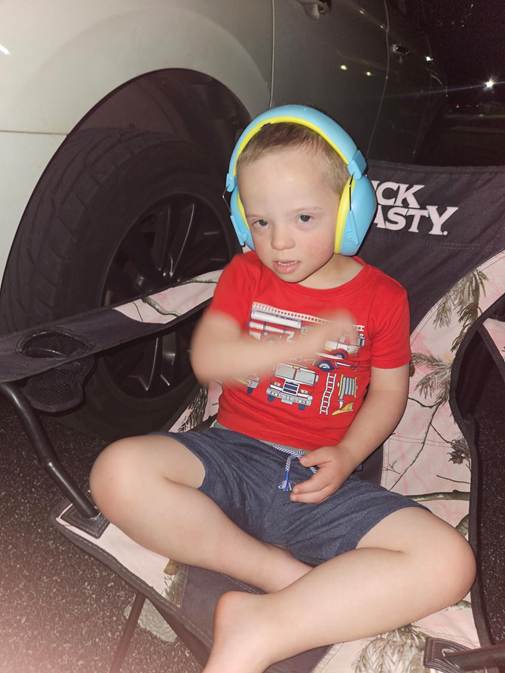
- Practice wearing noise cancelling headphones or headphones that play music, ear plugs, or sunglasses before you go and prepare to bring those along
- Consider other sensory factors. Make sure they are wearing comfortable clothes and shoes, that they’ve eaten enough, that they’re hydrated, and have had enough sleep or a nap
- Bring their favorite toy, fidget, squishy, chewy, blanket, chair, snack, drink, stroller, wagon, etc.
Arriving at Fireworks
- Arrive early, if possible, while it is still light, so they can look around and that you don’t have to rush
- Talk about where you want to sit; you may want to consider sitting on the end or back of the crowd or somewhere you have an easy exit to get further from the noise or go to the vehicle
- Consider if there is somewhere you can go to still see but not hear the fireworks as much, such as an inside area with windows or on top of a parking garage
- Consider other factors that may affect their sensory system, such as being in the grass, dirt or on cement and try to sit where they are more comfortable; do they like to be held, sit on a lap, in a wagon, stroller or a particular kind of chair or rocking chair or with a weighted blanket for sensory input?
- If crowds and people are overwhelming, is there an area where you are away from the majority of the people, but can still enjoy the event?
- It may be best to talk with your group or family and make a plan ahead of time, in case the child may need to walk away, return to the car, such as deciding who will go with them and who will stay with the other children, so you can exit quickly and others can still enjoy with minimal interruptions, as well as so you know where to meet at the end
As Fireworks are about to start
- Remind them about the noise that is about to happen, making the noise yourself and saying words like ‘Boom’
- Point to the sky and show them where they are going to see the fireworks
- Model how you are going to react, such as pointing, saying ‘yay’ or ‘wow’, clapping, cheering, offering to hold their hand, talk about the colors you are about to see or what types you will see adding language like ‘shimmer’, ‘big’, ‘beautiful’, etc.
- Make sure they have their preferred items available within reach or are already using them, such as noise cancelling headphones, sunglasses, fidgets, stuffed animals, etc.

During Fireworks
- Continue to model your reactions, by pointing, cheering, adding language to show them you are enjoying the fireworks
- You can acknowledge they are loud or bright, but reassure them they are safe, and remind them they can cover their ears, wear headphones, ear plugs, wear sunglasses, look away or close their eyes
- Check in with them to make sure they are okay to stay with a thumbs up/down if they do that
- If they ask to leave or go to car or be held calmly, honor it if you can or if they are still calm and just asking you can use First, Then language, like first fireworks, then go home
- If they are becoming upset or really bothered, try to hold them or walk away or offer do they want to ‘go’ to the back or a quieter location to continue watching, maybe with a piggy back ride or on your shoulders
If unable to go to fireworks yet
- Try to still go to the family picnic or event for a little, then leave before the fireworks will start
- Try viewing a live stream of the fireworks at home on your tv or phone
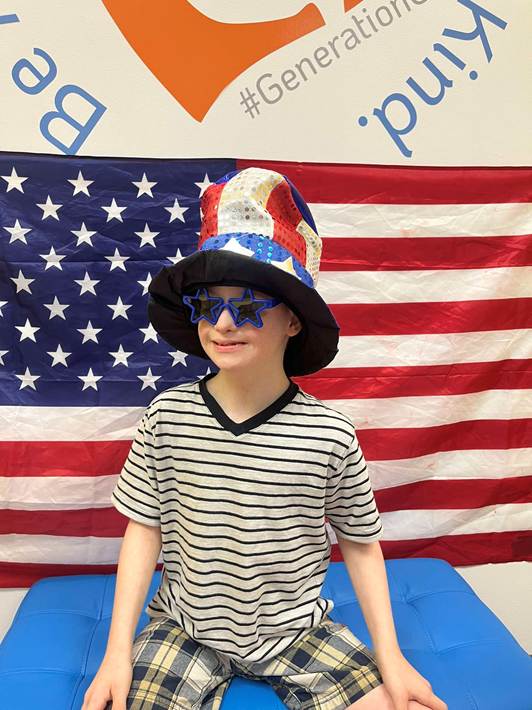
- Have your own 4th of July party at home, by dressing up with beaded necklaces, hats, waving flags, using spinning light up toys, glow sticks, putting on patriotic music to sing to with a microphone
- Throughout the year, work on skills they want to build in small doses to build their tolerance to noise, communication skills, self-regulation skills, coping skills, wearing noise cancelling headphones etc. by going to small events or concerts,
- Talking to their occupational therapist, speech therapist and teachers about ways to collaborate and generalize skills at home, school and in the community to work towards this and help them be more successful in the future
For others to consider
- We ask that you please try to be understanding when families are children have difficulty in crowds, at holiday events or fireworks, as they are most likely experiencing these sensory moments differently than we are
- Try to support these families in these moments, by offering an inside, quieter spacer for their child to regulate or by giving their siblings some time and attention to continue participating in the activity, while their sibling needs a break
Overall, we have seen that with preparation, time, practice and patience, individuals with sensory sensitivities have been able to learn the skills and communication that allows them to participate more with their family and in holiday celebrations like the 4th of July Fireworks!
Recent Posts