Celebrating Creativity: Why Recognizing the Artistic Side of Individuals with Down Syndrome Matters
When we think about creativity, most of us imagine painting a canvas, writing a story, or losing ourselves in music. Creativity is part of what makes us human. It’s how we share who we are, how we process the world, and how we connect with others. For people with Down syndrome, the need for creative outlets is no different. In fact, it can be even more powerful.
Recognizing and nurturing the artistic side of individuals with Down syndrome not only enriches their own lives but also creates pathways for inclusion, empowerment, and even opportunity.
Creativity as a Universal Language
Art speaks when words sometimes cannot. A painting, a song, or a crafted piece of jewelry can capture emotions and ideas in ways that transcend language. For many individuals with Down syndrome, creativity becomes a way to express what might otherwise be difficult to put into words.
Every brushstroke or note is a window into how they feel, what inspires them, or the dreams they hold. When we recognize these forms of expression, we acknowledge the unique voice and perspective each person brings to the world.
Building Confidence and Expression
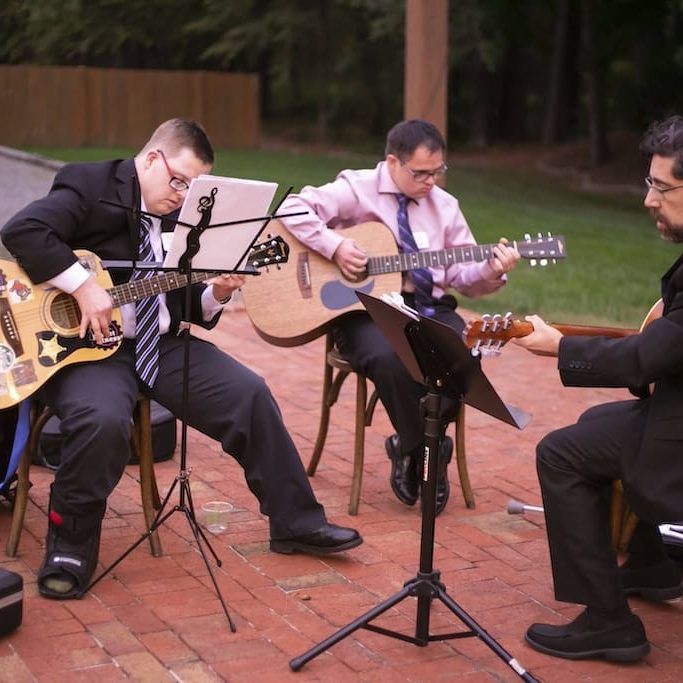
Finishing a painting, writing a poem, or learning to play a few notes on a guitar brings pride and confidence. For individuals with Down syndrome, who are sometimes underestimated by others, creative success can be life-changing.
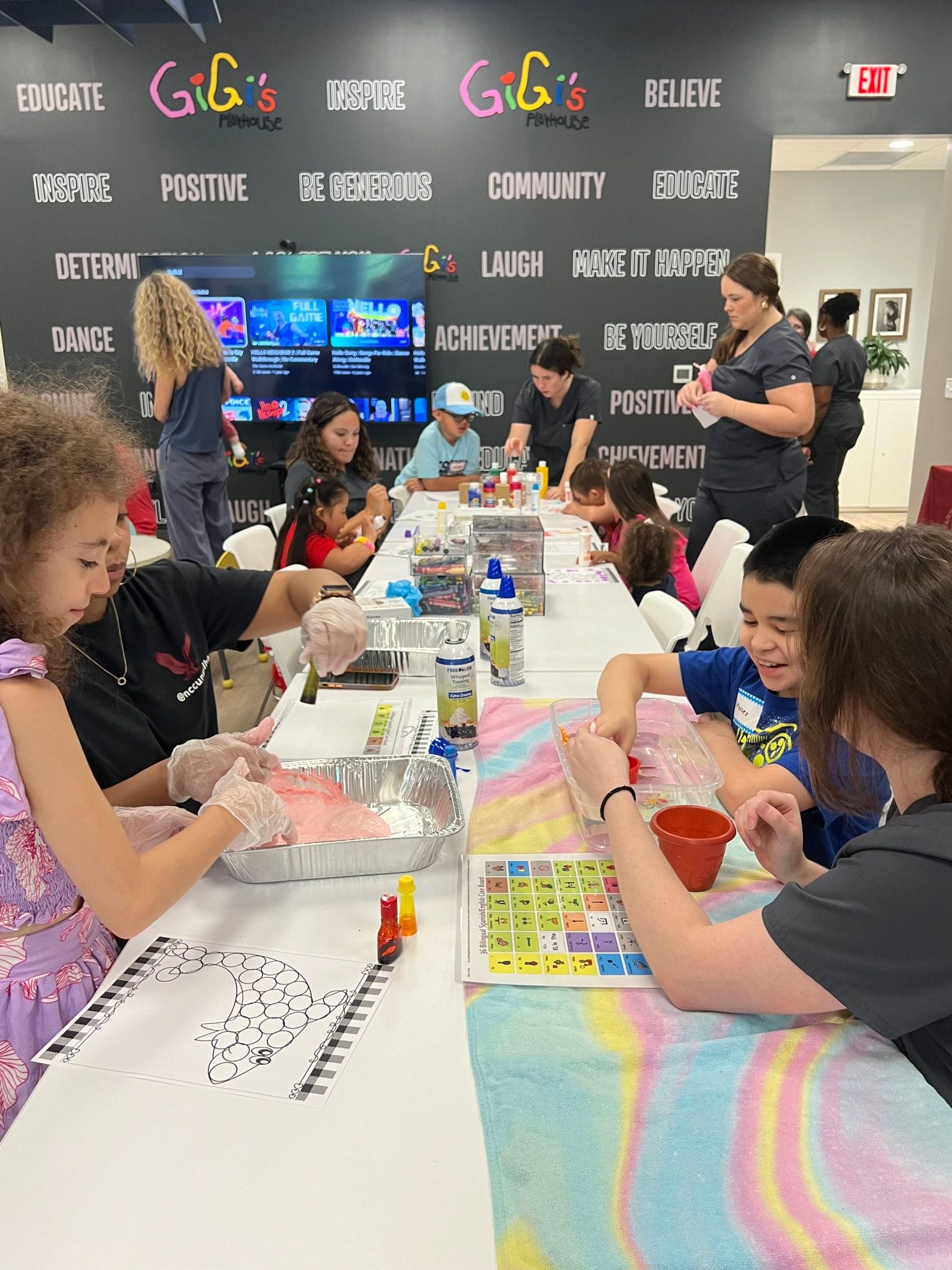
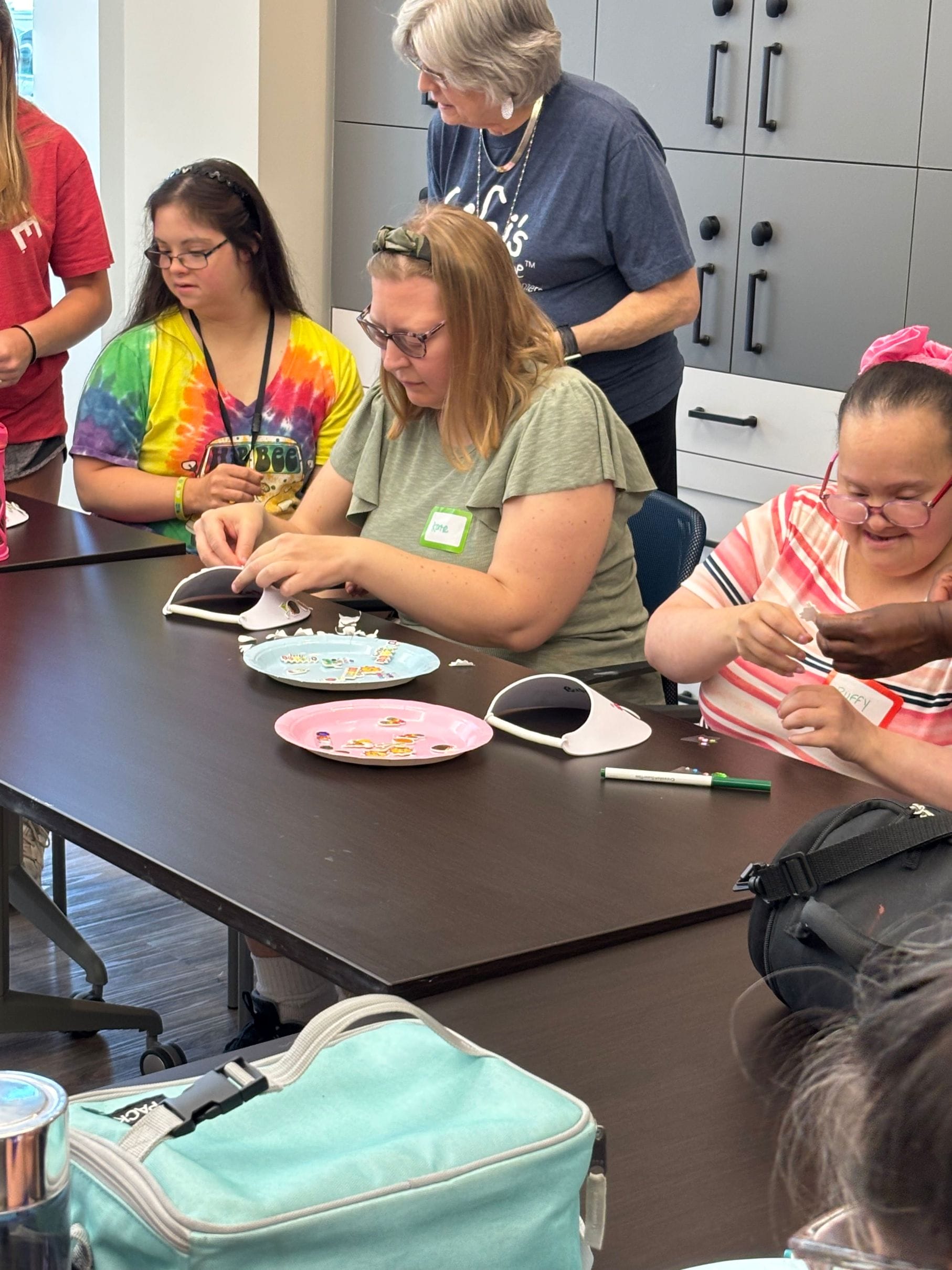
The arts provide a safe space to experiment, take risks, and be celebrated for individuality. They allow people to share their stories and emotions in ways that feel authentic and joyful. With each project, they prove that their identity is shaped by their passions and talents, not their diagnosis.
Fostering Inclusion in Communities
Creativity also breaks down barriers in the broader community. When individuals with Down syndrome are part of art shows, performances, or craft fairs, the focus shifts from limitations to abilities. Audiences don’t just see an “individual with Down syndrome,” they see an artist, a musician, or a storyteller.
These moments change perceptions. They show that inclusion is not simply about being present in a room, but about being celebrated for one’s contributions.
A Pathway to Income
Creative work can also open doors to financial independence. Selling a painting, handmade jewelry, or performing at a community event provides both income and empowerment. For families, these successes reshape what feels possible.
When the community supports art created by people with Down syndrome, it sends a clear message: your talents matter, your work is valued, and you have a role in the economic fabric of our society.
Supporting Emotional Well-Being
Art isn’t just about outcomes; it’s about the process. Creative outlets help regulate emotions, reduce stress, and bring joy. For individuals with Down syndrome, whose schedules may include therapies, appointments, or academic challenges, creative time often feels like freedom. It’s a chance to relax, explore, and simply be themselves.
How We Can Nurture Creativity
We all play a role in supporting creative growth. Here are a few ways to help:
– Encourage participation in inclusive arts programs, workshops, or classes.
– Provide platforms to showcase work, from galleries to talent shows.
– Support creative enterprises by purchasing artwork or crafts.
– Partner with local businesses to display and sell creative work.
– Make space at home for creative exploration with supplies or instruments.
A More Colorful, Inclusive World
At its core, creativity is about expression and connection. By recognizing the creative talents of people with Down syndrome, we not only enrich their lives but also our own. Each song, story, or handmade item adds something valuable to our communities.
When we nurture creativity, we give individuals with Down syndrome the chance to shine as artists, writers, musicians, and entrepreneurs. In doing so, we help create a world that is more colorful, more inclusive, and more deeply human.
Creativity belongs to everyone. Let’s make sure the voices and visions of people with Down syndrome are celebrated, shared, and supported.
Recent Posts