Down Syndrome & Learning. 8 Tips.
 All people with Down syndrome experience some level of cognitive delays, this does not halt or lessen the many strengths and talents that each individual possesses. At GiGi’s Playhouse, we believe in the potential of individuals with Down syndrome and work every day to support achievement and success through our FREE therapeutic and educational programs. Today we want to share eight tips that parents, therapists, teachers, volunteers, and friends can use!
Set expectations HIGH!
Assume potential.
I might have to work a lot harder but give me a chance. Start by ALWAYS seeing my ability first, not my disability.
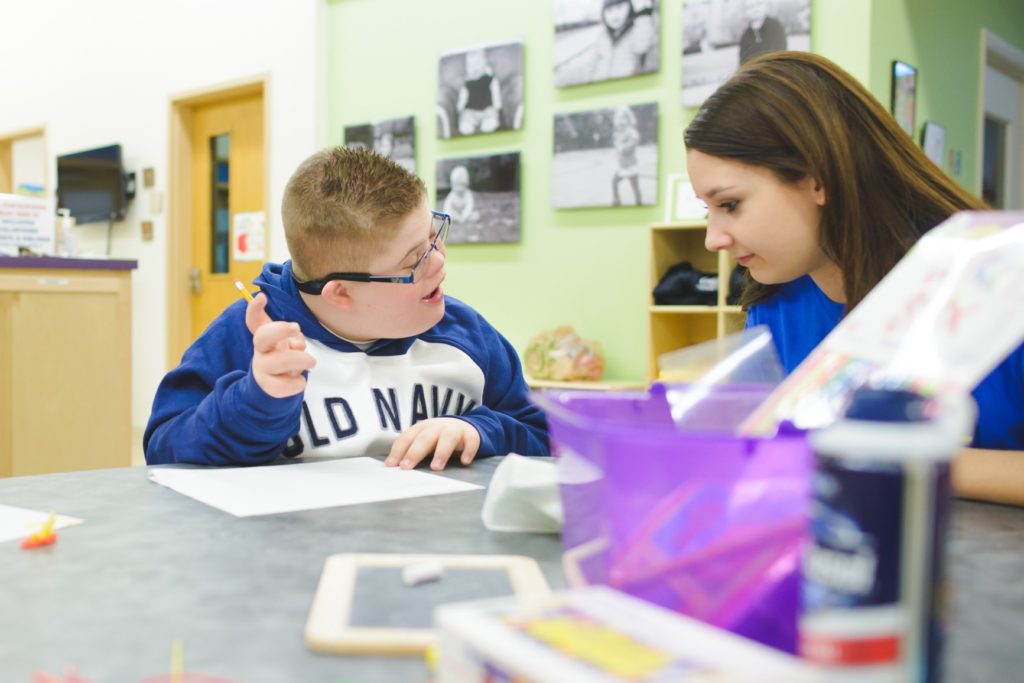
Use different learning styles.
Engage all the senses and teach in a variety of ways; use lots of repetition.
Say it, show it, read it, sing it, jump it, dance it, taste it, whisper it, tap it, sign it!
Show more, talk less!
The pathway from the eyes to the brain is much stronger than the pathway from the ears to the brain.
Use a visual guide, a schedule, a choice board, a to-do list, etc. Be clear and concise!
 Break things down into steps.
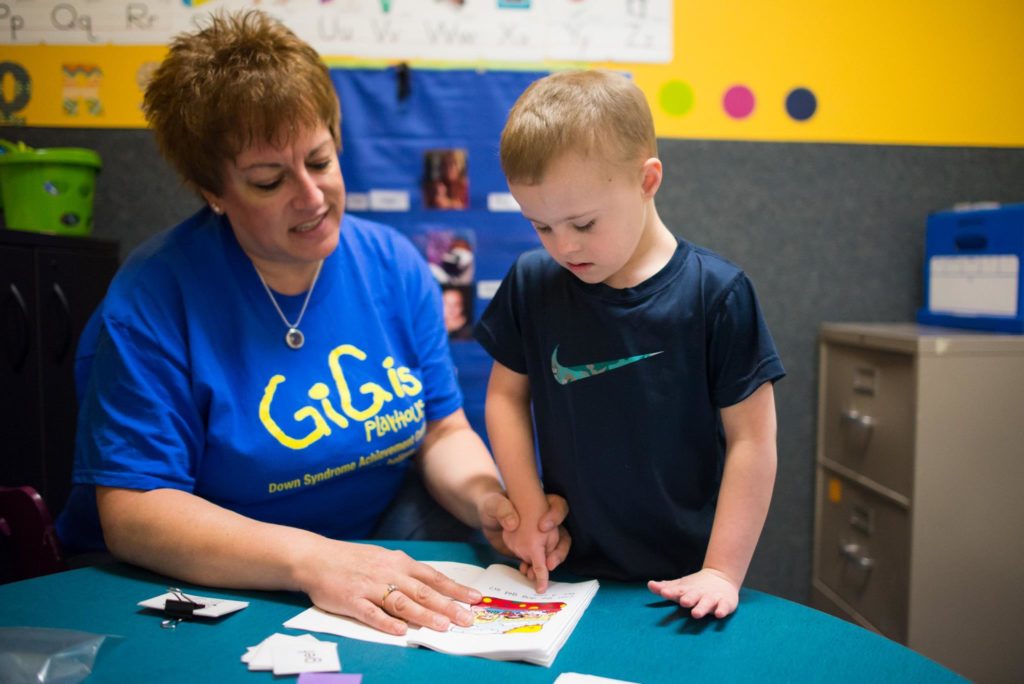
It’s best to show first and then build confidence & independence.
I DO: Model the task.
WE DO: Guide the learner with a physical, verbal, or written prompt.
YOU DO: The learner independently completes the task.
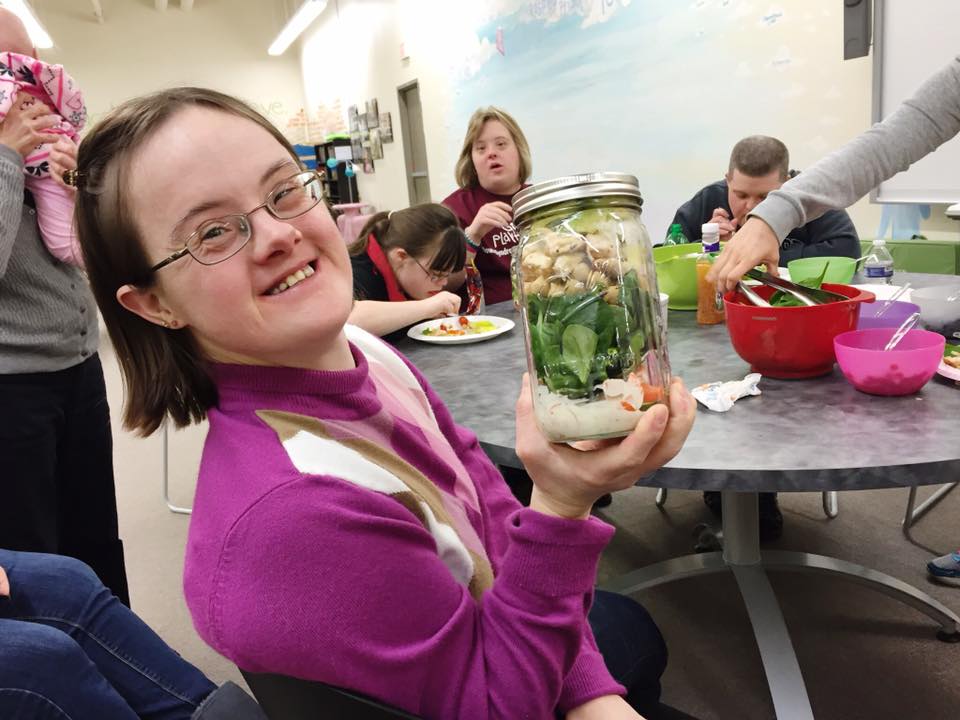
Make it fun!
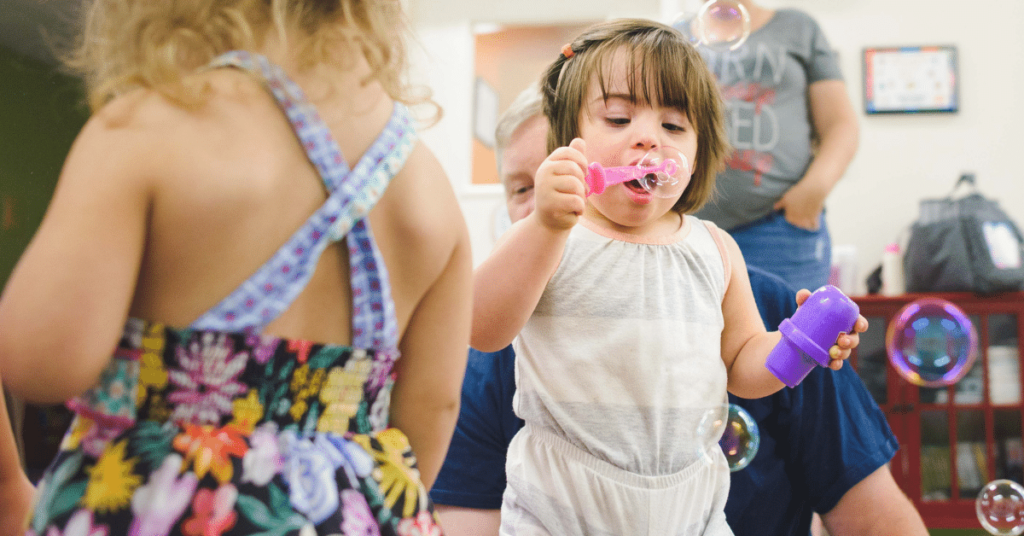
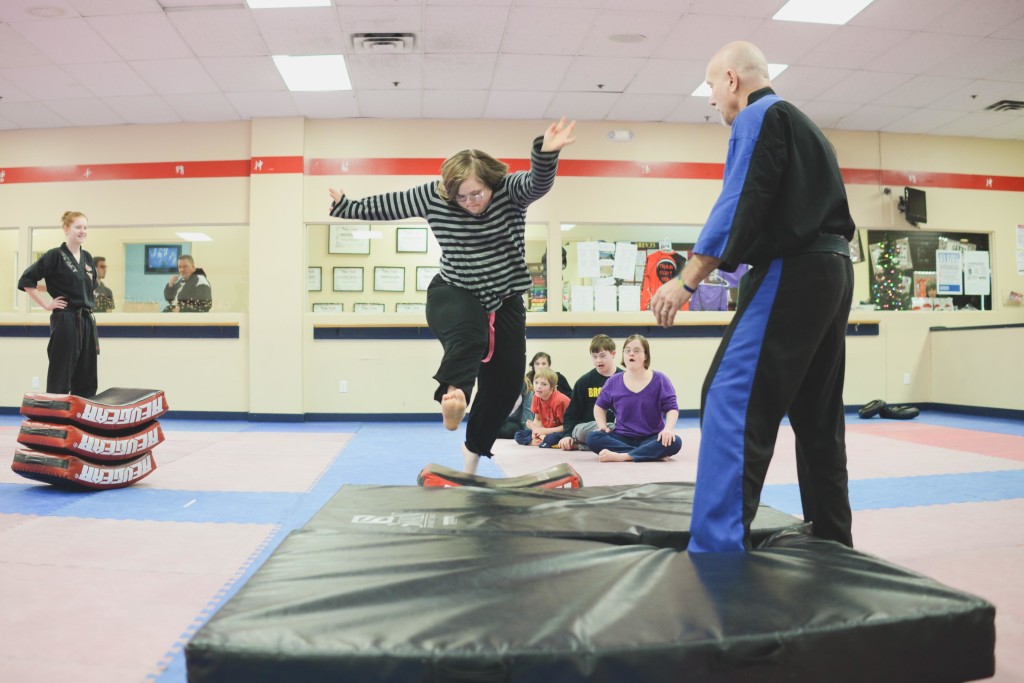
Adapt your teaching to incorporate interests. Using a multi-sensory approach, include movement, games, music, favorite characters from movies or shows, sports, rhymes, etc.
Know when to help.
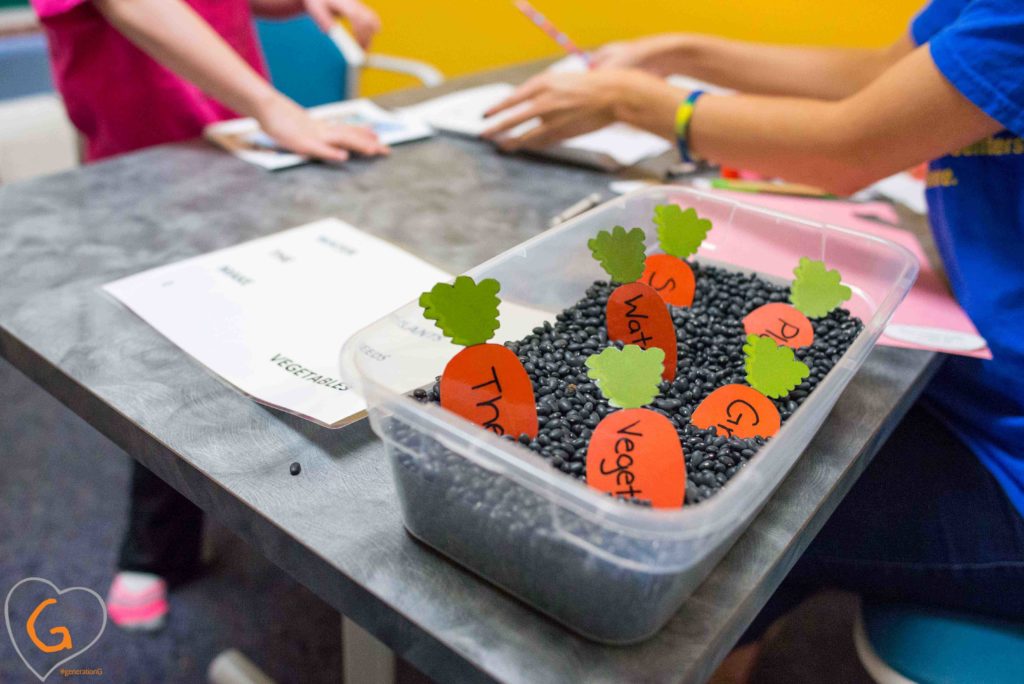
Asking for help is an advocacy skill that doesn’t come along naturally to everyone. Knowing when and how to help often starts by empowering an individual to ask for the help they need, when they need it.
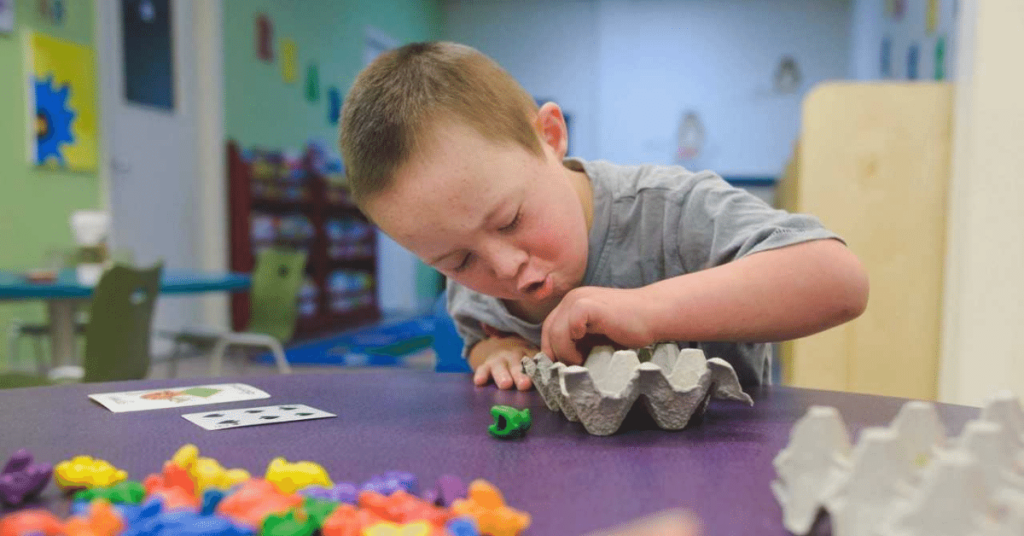
Give time for a response.
Individuals with Down syndrome have to work harder to retrieve information that is stored.
After asking a question, allow time for information to be processed and a response to be generated.

Promote independence.
The sky is the limit on what individuals with Down syndrome are truly capable of. With the right learning environment, motivation, and understanding, they will achieve what they set out to do!
Looking for more tools? Visit us online to watch & share How I Learn!
Recent Posts
This is very good indeed- the adaptation of a practical approach to learning.
Is there a module that serves link all these 7 essential elements into a module that’s milestone developmentally orientated. An adaptation of the existing school curriculum module that’s age related
We are embarking on a life journey of exploring the best possible way to develop such a teaching module – creating learning with life skill development – example education and health, education and home skills training,
Our goal is to have a module built on scientifically sound foundations yet flexible enough to allow for adaptation based on available resources.
The notion of the eye having a straight pathway to the Brain is a novel idea as it highlights a possible potential pathway, we can use in promoting developmental capacity building of the “MIND” – when pairing it with the sense of hearing.