The Power of Words: A Mother’s Story and the Strength of Community
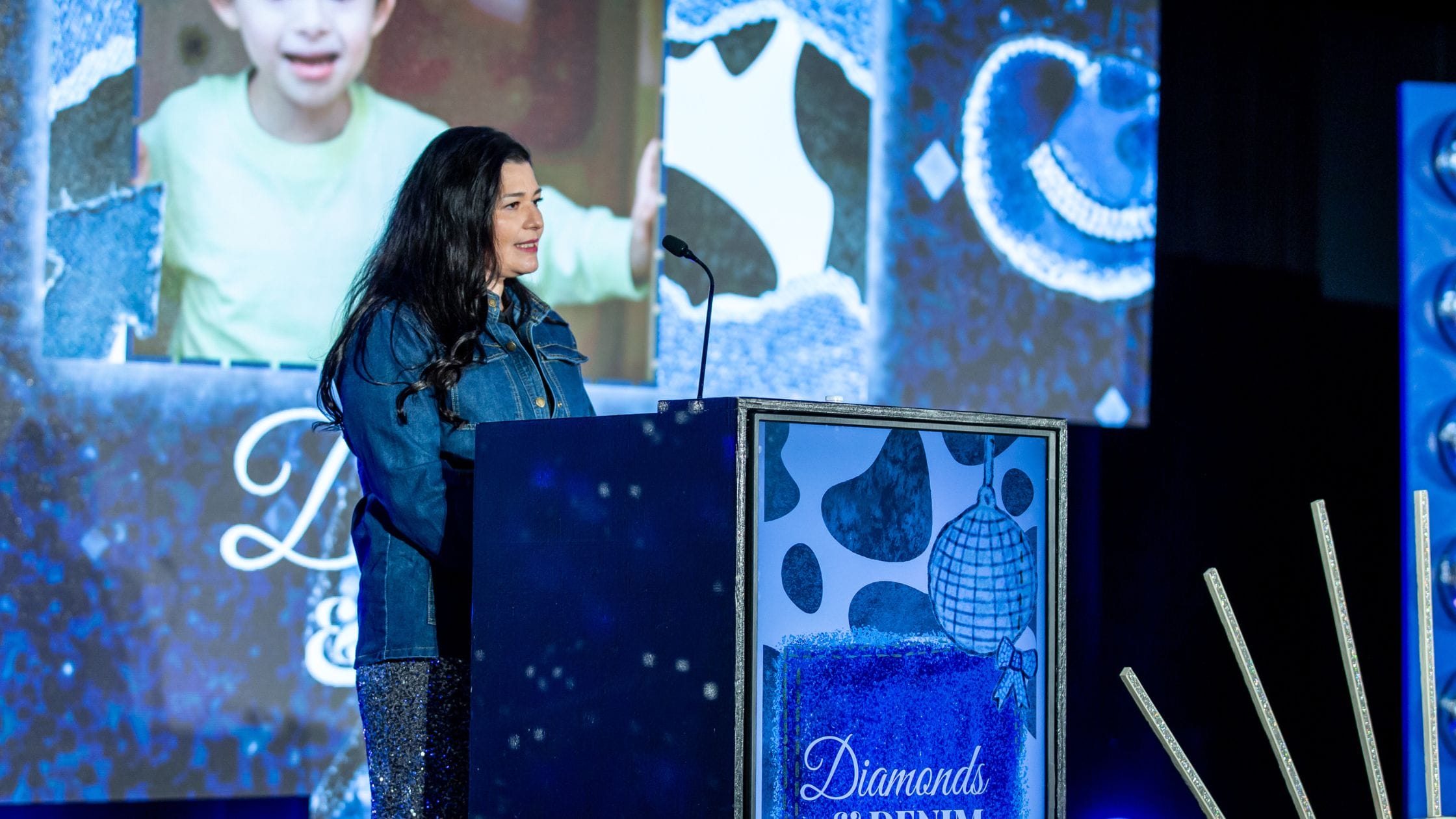
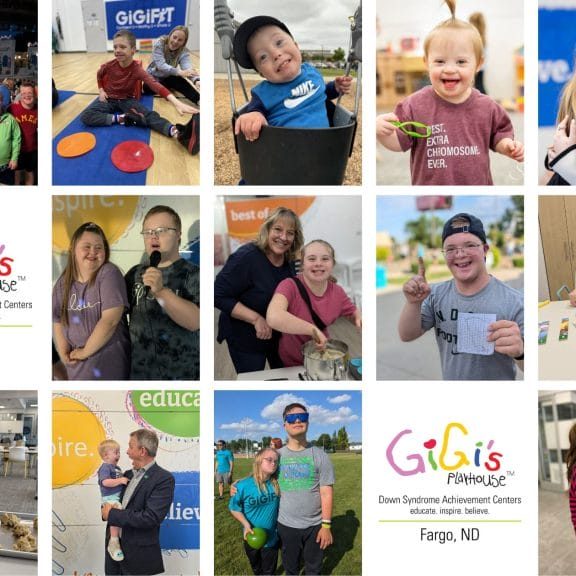
At our Diamonds + Denim Gala, we talked a lot about brilliance and strength—what they look like, how they show up, and how they shape the GiGi’s Playhouse community.
But one of the most powerful moments of the night didn’t come from a program or an award.
It came from a mom.
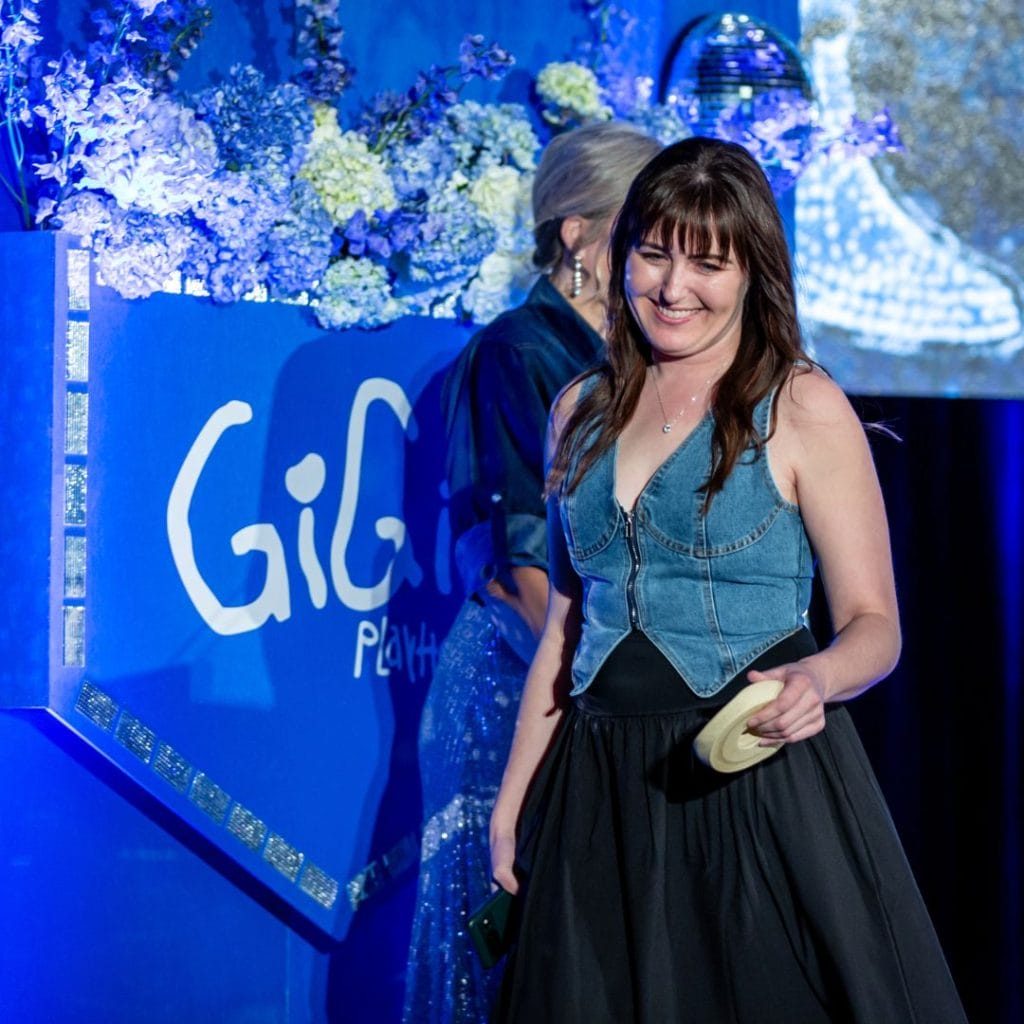
Ajor took the stage and shared her story—one that challenged us, moved us, and reminded us why this community matters so deeply. Her words captured something we see every day at GiGi’s: the power of belief, the importance of language, and the way a community can change everything.
We’re honored to share her speech in full below.
When I was asked to share about community and what GiGi’s means to us, I started thinking about tonight’s theme, Diamonds and Denim, and what those words represent: brilliance and strength. The brilliance of a diamond comes from its ability to reflect light, bend it, and disperse it. There is so much beauty in the way our kids see this world and reflect it back to us. It changes us, we bend, and we can’t help but spread that light, love, and joy.
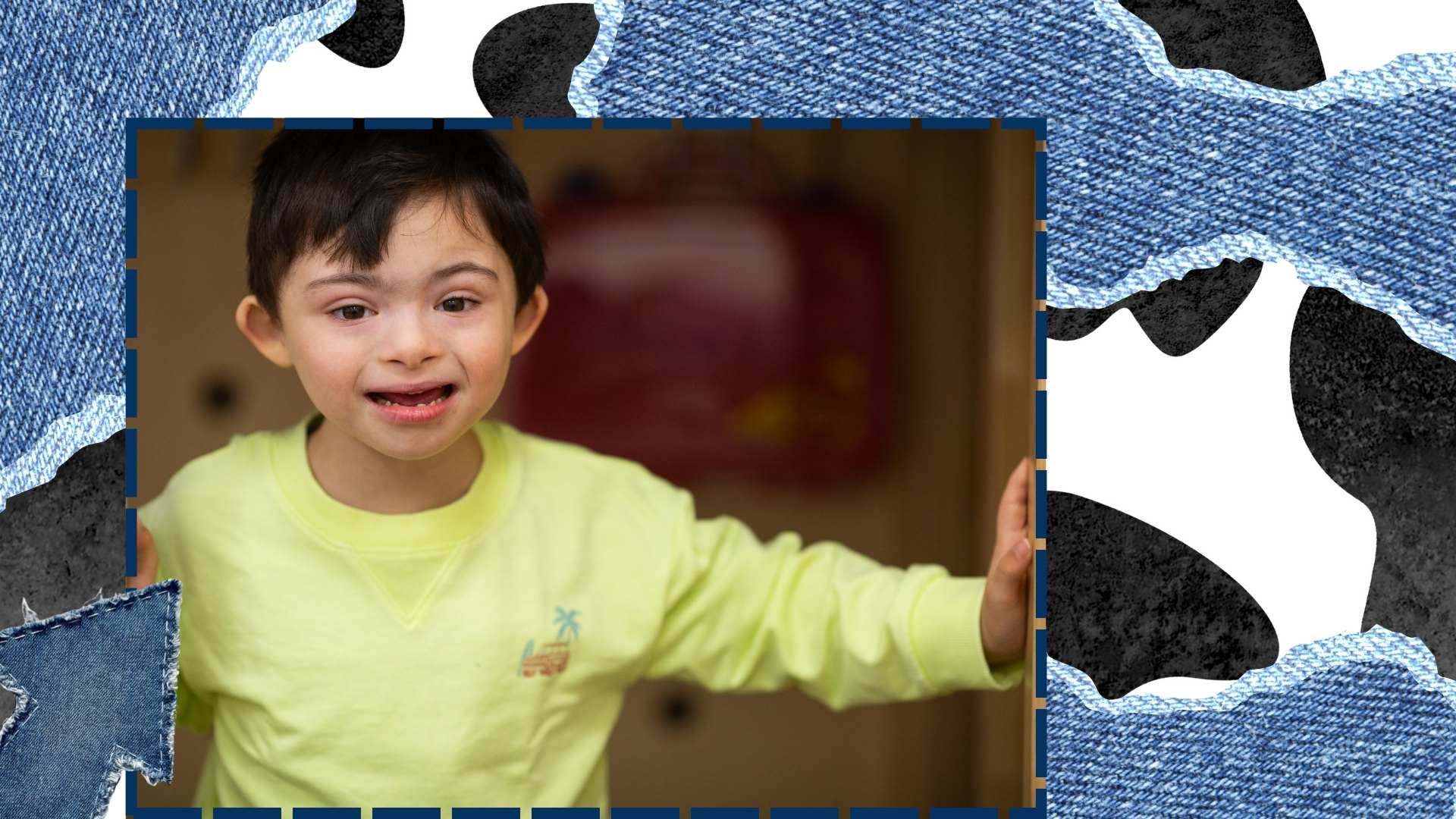
Zii loves books. When I take him to Barnes and Noble, without fail every single time, we walk through those doors, he exclaims loudly, “WOW!” as he throws his arms wide open. His awe and joy are infectious. People stop and smile, and I catch them looking around at the books as if they, too, are seeing them for the first time in awe.
While Denim is known for its strength, it’s also historically been a symbol of social rebellion. In the 1960’s, denim was worn in support of the civil rights movement, a sign of solidarity between classes in the fight for social justice. I think of all the pre-conceived limitations put on our kids, and with every goal they meet, they show their strength and rebel against a world that says they can’t, or they won’t. I could not think of better words to describe Down Syndrome.
Tonight, I want to talk about the power of words.
Kira and I spoke a few weeks back, and she mentioned that an expectant mother had walked into GiGi’s that day after having received a Down Syndrome diagnosis for her baby; she had come in looking for information and support. Kira connected her with another Gigi’s parent, and she left that day with support and a connection to our community.
I wish I’d known about GiGi’s during my pregnancy and that my diagnosis experience had been similar, but it wasn’t. It was quite the opposite. When my doctor called me after my 16-week genetic test, his words were, “I’m so very sorry, but your baby has a high probability of having Down Syndrome.” The next word I heard was “termination”. The nurses who had previously shared in my excitement, asking me about nursery themes and baby names, were now cold and methodical. A genetic counselor who described Down Syndrome as a list of medical conditions, “heart defects, low muscle tone, low quality of life, failure to thrive.” Doctors who repeated words like “he may never…” from their endless list of pre-conceived limitations.
The words began to wear on me; I internalized them, and they echoed in my head. I began asking myself if it was selfish to bring this child into the world. At each appointment, I was prompted to schedule a “termination”. Words had reduced my child to a diagnosis, a diagnosis that attempted to strip him of his inherent worth.
The doctor suggested an amniocentesis, a test that would pull fluid from the amniotic sac and give us nearly 100% certainty of the Down Syndrome diagnosis. Before the appointment, I cried out to God, and said, “Please, give me a sign that this child is exactly who he is meant to be and that I am making the right choice to keep him.”
The doctor attempted to do the amniocentesis, and the needle was faulty, he couldn’t draw any fluid out, so he tried a second time with a new needle and couldn’t pierce the sac to get fluid. He said the risk was too great to try a third time, so instead tried to get limb measurements from a sonogram, but my son moved so much that he could not be measured.
The doctor was exasperated, he said, “I’m sorry, honey, I’ve been doing this for 30 years and never have I not been able to get fluid, and certainly never had to attempt it twice. I wanted you to have an answer so you could terminate with confidence, but not only can I no longer recommend it, the state of Texas just shut down all abortion services this morning due to COVID.”
I smiled, and said, “Oh, I had no plans of terminating this pregnancy, I simply wanted to know so that I could prepare myself and know how to best support my son, in fact I asked God for a sign today, one that would be so clear that this child was meant for this world, and HE answered.”
The doctor removed his glasses and sat silently for a moment before he said, “As doctors we are faced with making life and death decisions daily, we can get lost in the black and white of it and forget the humanity behind it. Your son just reminded me that I’m not God, I’m not in control, and I certainly do not have all the answers.”
My son came into this world on his own terms, never allowing himself to be measured; his very existence a rebellion against a world that tried to terminate him. I named him Ziibin, the Ojibwe word meaning “the place where a stream becomes a river”, because words have power and I believe he is capable of great things.
I still hear the words, “he can’t, he won’t, he may never,” in doctors’ visits and school meetings where they confuse diagnosis with ability, but they are drowned out by the other words we hear at GiGi’s, “he can, he will, he is.” Those are the words that echo in my head now.
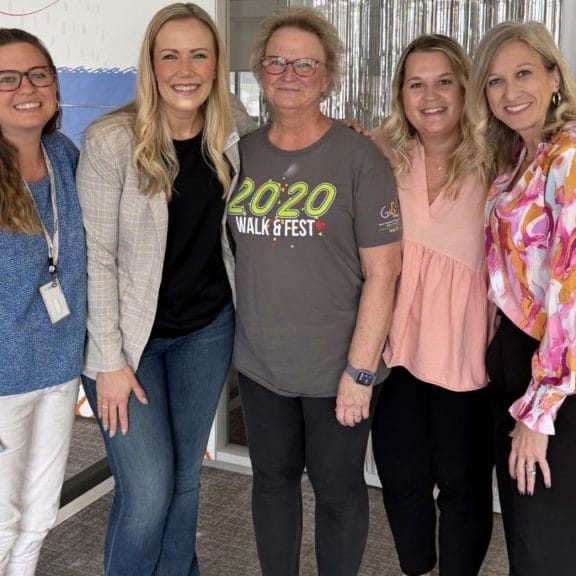
Though I don’t know Kira’s exact words to the expectant mother, knowing Kira, Courtney, Lexi, and all the incredible parents and volunteers we’ve met at GiGi’s, I can, with 100% certainty, say that they were, “Hi, Welcome to GiGi’s!” “Congratulations!”, “Are you having a boy or a girl?”, “Do you have names picked out yet?” “We cannot wait to meet them!”, and “How can we support you?” I know this to be true because it’s with that same enthusiasm and care that they greet Zii and me, and every other family that walks through those doors, with “We’re so happy you’re here!”
Your presence here today, your donations, your volunteer hours, your shares on social media, all make this community possible. You are helping to change the narrative of what Down Syndrome looks like, and to that I say, welcome to the rebellion.
Why This Matters
Ajor’s story is deeply personal, but it reflects something much bigger.
It’s a reminder that words shape experiences. They shape expectations. They shape the way families see their children and the way the world sees them too.
At GiGi’s Playhouse, we are intentional about the words we use. We choose words that build up, that empower, and that open doors instead of closing them.
“He can.”
“He will.”
“He is.”
That’s the message families hear when they walk through our doors—and it’s the message that carries them forward.
Thank You for Being Part of This
Every program, every connection, every moment of support exists because of this community.
Because of you.
Thank you for being part of a place that celebrates ability, challenges limitations, and creates a space where every individual is seen for who they are—and who they can become.
Recent Posts