From High School to What’s Next: Navigating Transition Planning with Confidence
Guide to Transition Planning
Is your child a high school student with an individualized education plan (IEP)? If so, have you started planning their transition out of high school? According to the IDEA (Individuals with Disabilities Education Act), it is legally required to begin planning for the transition out of high school once a student with an IEP turns sixteen. This occurs during the student’s first IEP after turning sixteen. This process is known as transition planning.
What Does A Transition Plan Look Like?
First and foremost, you, your child, and your IEP team will come together for a meeting. Your child should be included in this process since it is their future you are coming together to plan. During this meeting, you will discuss goals that will be included in your child’s IEP. These goals will help your child develop and foster the skills needed to achieve their desired transition, which may include education, training, living skills, or employment. A strong transition goal should include the condition, criteria, learner, behavior, and measure. The condition of the transition goal is when the goal will be achieved, the criteria are frequency of the goal, the learner is the student, the behavior is the action, and the measure is how the outcomes of the goal are recorded. The other addition to your child’s IEP is any support or services your child may need to achieve their transition goals. Examples of transition services include job coaching, financial literacy education, or instruction on living skills such as cooking.
What Are Some Examples Of Transitions?
There are six components of transition: post-secondary education, vocational education, integrated employment, adult services, independent living, and community participation. These are common post-graduation outcomes for students with disabilities. These activities are determined by your child’s needs, preferences, and interests. The transition goals previously mentioned are designed to give students the skills needed to succeed in these activities based on their interests.
What Do Transition Activities Look Like?
Post-secondary Education
Post-secondary education is continuing education after high school. This can look different for many students; some students may decide to attend four-year programs, two-year programs, adult education classes such as a GED degree, taking upper level education classes without a degree, online classes, or even take lessons for hobbies. For post-secondary (college) education, students can receive accommodations; however, while they used to be entitled to accommodations regardless of proof of disability, as legally mandated by IDEA, now students must be eligible for accommodations with proof.
Vocational Education
Rather than going to school for academics, vocational education teaches students about a specific trade of skills, such as cosmetology, auto mechanics, and cooking. Vocational education teaches students skills that they need to be employed in the future.
Integrated Employment
Students who participate in integrated employment get paid right away while doing work. Integrated employment is also known as work-based learning because students are working while also learning the profession, such as job shadowing, apprenticeships, internships, and volunteer work.
Adult Services
Adult services are programs that help individuals with disabilities prepare for independent living and employment. Examples of adult services include vocational rehabilitation agencies, which help individuals find employment, and independent living centers, which help teach individuals skills needed for independent living.
Independent Living
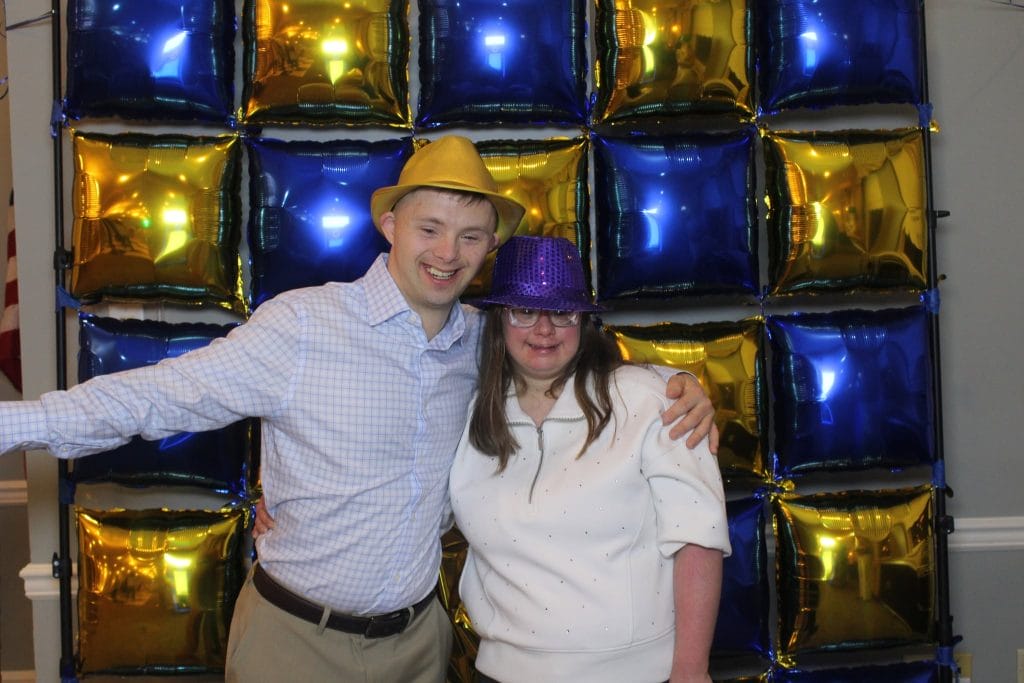
Independent living gives individuals with disabilities housing, transportation, and teaches about personal hygiene, along with financial literacy, in a supportive community environment. Independent living also gives opportunities for socialization and entertainment activities.
Community Participation
Students who decide to participate in the community post-graduation may be a part of religious groups, recreational community centers, and other socialization groups. Students may also partake in civic engagement, such as volunteering and voting. Community participation allows students to utilize the community’s resources.
Hopefully, now you feel more prepared for transition planning and are more knowledgeable about the different types of transitions available for your child!
Blog Written by Joelie Leopold, Binghamton University Undergraduate Student
Recent Posts